10 Hottest Website Design Trends Taking Over 2025
As the digital landscape evolves, so do the trends shaping website design. Staying updated isn’t just about aesthetics; it’s about creating meaningful, user-friendly experiences that engage visitors and drive results. If you’re a designer, developer, or business owner looking to refresh your website, knowing what’s hot in 2025 is crucial.
In this post, we’ll explore the 10 hottest website design trends taking over 2025 and show you how to implement them step-by-step. Plus, we’ll answer some frequently asked questions to help you feel confident about modernizing your site. Ready to dive in? Let’s go!
Why Website Design Trends Matter in 2025
Before jumping into trends, it’s important to understand why they matter. Website design isn’t just about pretty visuals. Good design:
-
Enhances user experience (UX), making navigation intuitive and enjoyable.
-
Supports branding by visually communicating your company’s personality.
-
Boosts conversion rates through strategic layouts and calls to action.
-
Keeps your site relevant in a competitive market.
-
Improves SEO by encouraging visitors to stay longer and engage more.
With 2025 shaping up to be a year of innovation and user-centric designs, let’s explore the trends that will define the web.
The 10 Hottest Website Design Trends Taking Over 2025
1. AI-Powered Personalization
Artificial intelligence continues to transform how websites interact with users. In 2025, expect hyper-personalized experiences that adjust content, layout, and offers based on user behavior in real-time.
How to implement:
Use AI-powered tools like chatbots, recommendation engines, and adaptive content platforms that learn from visitor data to deliver custom experiences.
2. Dark Mode Dominance
Dark mode is more than just a style choice—it reduces eye strain and saves battery on devices. Websites are increasingly offering seamless toggling between light and dark modes to meet user preferences.
How to implement:
Design both light and dark versions of your site’s color palette. Use CSS prefers-color-scheme media queries for automatic switching based on device settings.
3. 3D and Immersive Visuals
With advances in web graphics, 3D elements, animations, and immersive visuals are becoming mainstream. These add depth and engagement without sacrificing speed.
How to implement:
Use WebGL, Three.js, or interactive SVGs to integrate lightweight 3D models and animations that enhance storytelling.
4. Minimalist Maximalism
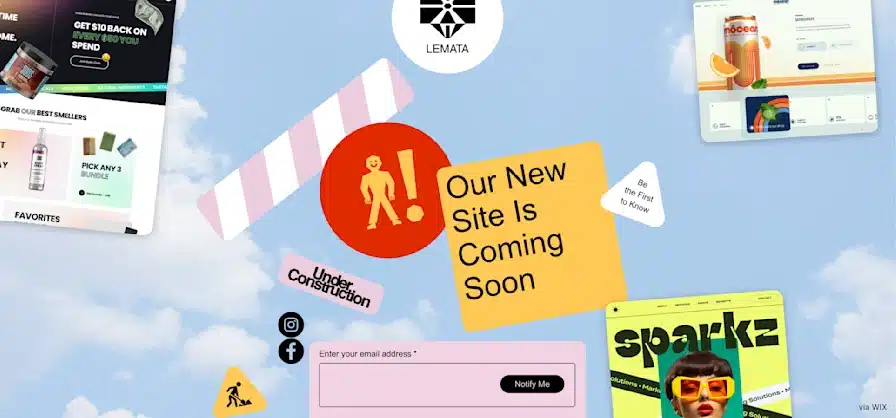
While minimalism remains popular for clarity, 2025 introduces a twist: bold maximalist accents like oversized typography, vibrant colors, and expressive illustrations—used strategically to make key elements pop.
How to implement:
Balance white space with dramatic fonts or graphics, ensuring user attention is guided without overwhelming them.
5. Sustainable Web Design
Eco-conscious web design focuses on reducing a site’s carbon footprint by optimizing load times, image sizes, and server efficiency. More brands are adopting sustainable practices to align with environmental values.
How to implement:
Optimize images, use efficient coding, leverage green hosting, and minimize third-party scripts.
6. Microinteractions That Delight
Small animations triggered by user actions—like button hover effects, loading spinners, or form input highlights—create a tactile and engaging experience.
How to implement:
Use CSS animations or JavaScript libraries like Lottie to add subtle microinteractions that enhance feedback without distraction.
7. Scroll-Triggered Animations
Dynamic content that responds to scrolling encourages users to explore more. Elements can fade in, slide, or transform as visitors move down the page, making storytelling more interactive.
How to implement:
Implement libraries like ScrollMagic or GSAP to control animations based on scroll position.
8. Voice User Interface (VUI)
As voice search and smart assistants grow, websites are integrating voice commands and audio feedback to improve accessibility and convenience.
How to implement:
Incorporate voice search widgets and use Web Speech API to enable voice interactions.
9. Glassmorphism UI
This design style uses frosted glass-like transparency and blur effects, creating layered, light-filled interfaces that feel modern and fresh.
How to implement:
Apply semi-transparent backgrounds with CSS backdrop-filter and adjust shadows for depth.
10. Inclusive and Accessible Design
Websites that prioritize accessibility—not just compliance—ensure everyone, including users with disabilities, can navigate and interact with content effortlessly.
How to implement:
Follow WCAG guidelines, use semantic HTML, provide alt text for images, and test with screen readers and keyboard navigation.
Step-by-Step Guide: How to Update Your Website with 2025 Trends
Ready to bring these trends to your site? Here’s a straightforward roadmap to follow:
Step 1: Audit Your Current Website
-
Identify outdated design elements.
-
Analyze performance metrics like load speed and bounce rate.
-
Check accessibility compliance.
Step 2: Choose Key Trends to Implement
-
Not every trend fits every brand; select 3-5 trends that align with your goals.
-
For example, if you’re an eco-friendly brand, prioritize sustainable design and accessibility.
Step 3: Plan Your Redesign or Updates
-
Create mood boards featuring colors, typography, and visuals that reflect the chosen trends.
-
Wireframe your site with updated layouts incorporating new UI elements.
Step 4: Implement Design Changes
-
Start with core changes like color schemes (dark mode), typography, and layout.
-
Add interactive elements such as microinteractions and scroll-triggered animations.
-
Test 3D visuals or glassmorphism effects on different devices.
Step 5: Optimize Performance
-
Compress images and use lazy loading.
-
Minimize scripts and use efficient coding practices.
-
Choose sustainable web hosting if possible.
Step 6: Test Accessibility and User Experience
-
Use tools like WAVE or Lighthouse to check accessibility.
-
Conduct user testing with diverse participants.
-
Ensure voice interface features work seamlessly.
Step 7: Launch and Monitor
-
Deploy changes during low-traffic times.
-
Monitor user engagement and feedback.
-
Adjust based on analytics and continuous testing.
FAQs About Website Design Trends in 2025
Q1: Are these design trends suitable for all industries?
A: While many trends are versatile, always tailor design choices to your audience and industry. For instance, a financial site might prioritize accessibility and minimalism, while a creative agency could embrace maximalist visuals and 3D elements.
Q2: How can I balance trendiness with usability?
A: Trends should enhance, not hinder usability. Always test designs for ease of navigation, readability, and accessibility. User-centered design remains the foundation of any effective website.
Q3: Will adopting these trends improve SEO?
A: Yes! Trends like faster load times, mobile optimization, accessibility, and engaging visuals contribute to better user experience, which search engines reward with higher rankings.
Q4: What tools can help me implement these trends?
A: Tools like Figma, Webflow, Adobe XD for design; GSAP, ScrollMagic for animations; and accessibility checkers like Axe or WAVE are invaluable. AI platforms can assist with personalization and voice UI integration.
Q5: How often should I update my website design?
A: Generally, every 2-3 years is a good timeline, but minor updates and optimizations can be done quarterly or bi-annually. Keep an eye on trends, but don’t overhaul your site too often—consistency is also key for branding.
Final Thoughts
The 10 hottest website design trends taking over 2025 are shaping the web into a more immersive, personalized, and user-friendly space. By thoughtfully integrating these trends, you can future-proof your website, engage your audience better, and stand out in a crowded digital world.
Remember, the best design trend is the one that fits your brand and serves your users effectively. Start small, test thoroughly, and evolve your site step-by-step. Here’s to designing a fantastic web experience in 2025!