
How EEAT Is Influencing Website Rankings: A Complete Guide for Modern SEO
Introduction
Search engine optimization (SEO) has evolved dramatically over the past decade. While keywords, backlinks, and technical optimization remain important, search engines are increasingly focused on evaluating the quality and credibility of content. This shift has brought EEAT into the spotlight.
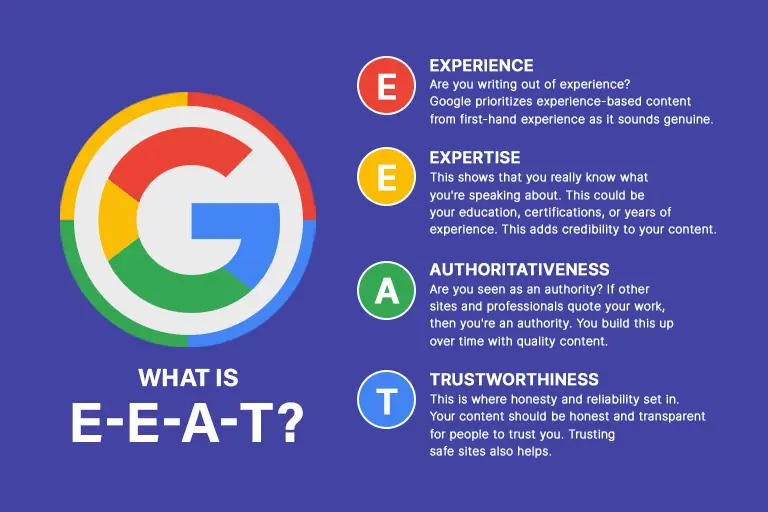
EEAT stands for Experience, Expertise, Authoritativeness, and Trustworthiness. Originally introduced as part of Google’s Search Quality Evaluator Guidelines, EEAT helps determine whether content provides genuine value to users and can be trusted as a reliable source of information.
As search engines become more sophisticated, websites that demonstrate strong EEAT signals are often better positioned to earn visibility in search results. Whether you run a business website, blog, e-commerce store, or news publication, understanding EEAT is essential for long-term SEO success.
In this guide, you’ll learn what EEAT means, why it matters, and how to improve your website’s credibility to support stronger search performance.
What Is EEAT?
EEAT is a framework used to evaluate content quality and credibility.
Experience
Experience refers to first-hand knowledge of a topic. Search engines increasingly value content created by people who have actually used a product, visited a location, or performed a task.
For example, a travel guide written by someone who has personally visited a destination may be viewed as more valuable than one compiled solely from research.
Expertise
Expertise measures the creator’s knowledge and skill in a particular field.
A medical article written by a licensed healthcare professional demonstrates greater expertise than one written by someone without relevant qualifications.
Authoritativeness
Authority reflects how well-known and respected a creator, website, or organization is within its industry.
Factors such as industry recognition, quality backlinks, media mentions, and professional credentials can contribute to authority.
Trustworthiness
Trust is considered the most important component of EEAT.
Websites that provide accurate information, secure browsing experiences, transparent policies, and clear contact information are generally seen as more trustworthy.
Why EEAT Matters for Website Rankings

Although EEAT itself is not a direct ranking factor, it influences many signals that search engines use to assess content quality.
Search engines aim to provide users with the most accurate and helpful information possible. Websites that demonstrate strong EEAT are more likely to:
- Earn higher-quality backlinks
- Improve user engagement metrics
- Increase credibility and brand reputation
- Reduce misinformation risks
- Build long-term organic traffic
This is especially important for websites covering topics that can affect a person’s health, finances, safety, or well-being. These topics are often referred to as “Your Money or Your Life” (YMYL) content.
For YMYL websites, strong EEAT signals can play a significant role in determining search visibility.
How EEAT Is Influencing Modern SEO
Greater Focus on Content Quality
Search engines are becoming better at distinguishing genuinely useful content from low-quality, AI-generated, or keyword-stuffed pages.
Content that demonstrates real expertise and provides unique insights often performs better than generic articles created solely for ranking purposes.
Increased Importance of Author Profiles
Many successful websites now include detailed author biographies that highlight qualifications, certifications, industry experience, and professional achievements.
These profiles help establish credibility and give readers confidence in the information presented.
Stronger Emphasis on First-Hand Experience
Reviews, tutorials, case studies, and personal experiences are increasingly valuable.
Readers and search engines both prefer content that reflects real-world knowledge rather than information copied from other sources.
Brand Reputation Matters More
Search engines analyze signals beyond a single webpage.
Online reviews, industry citations, media coverage, and brand mentions can all contribute to how authoritative a website appears.
Trust Signals Are Becoming Essential
Secure websites with HTTPS encryption, transparent business information, privacy policies, and customer support details create stronger trust signals for both users and search engines.
Step-by-Step Guide to Improving EEAT
Step 1: Create Content Based on Real Experience
Whenever possible, share practical insights and personal experiences.
Examples include:
- Product testing results
- Case studies
- Customer success stories
- Before-and-after examples
- Hands-on tutorials
Unique experiences differentiate your content from competitors and provide genuine value.
Action Tip
Ask yourself: “What can I share that only someone with direct experience would know?”
Step 2: Showcase Author Expertise
Make it easy for visitors to understand who created your content.
Include:
- Author names
- Professional credentials
- Relevant certifications
- Industry experience
- Social media or professional profiles
For technical or specialized topics, credentials can significantly enhance credibility.
Action Tip
Create dedicated author pages and link them to all published articles.
Step 3: Publish Accurate and Well-Researched Content
Fact-check information before publishing.
Use reliable sources and ensure statistics, data, and claims are current.
Regularly update older content to maintain accuracy.
Action Tip
Schedule content reviews every six to twelve months.
Step 4: Build Website Authority
Authority develops over time through recognition and trust.
Ways to strengthen authority include:
- Publishing original research
- Earning quality backlinks
- Guest posting on respected websites
- Speaking at industry events
- Being cited by reputable publications
Action Tip
Focus on becoming a recognized resource rather than simply acquiring more links.
Step 5: Strengthen Trust Signals
Trust is the foundation of EEAT.
Your website should clearly display:
- Contact information
- About Us page
- Privacy policy
- Terms of service
- Secure HTTPS connection
For e-commerce websites, include transparent shipping, return, and customer support policies.
Action Tip
Review your website from a visitor’s perspective and identify anything that might raise concerns about legitimacy.
Step 6: Encourage Positive User Experiences
Search engines pay attention to signals that indicate user satisfaction.
Improve:
- Page speed
- Mobile responsiveness
- Navigation
- Readability
- Accessibility
A positive user experience supports trust and engagement.
Action Tip
Regularly test your website on mobile devices and monitor loading speeds.
Step 7: Earn Credible Mentions and Reviews
External validation helps establish authority and trust.
Encourage:
- Customer reviews
- Industry mentions
- Professional endorsements
- Media coverage
Positive third-party recognition reinforces your website’s reputation.
Action Tip
Monitor brand mentions and engage with customers across relevant platforms.
Common EEAT Mistakes to Avoid
Publishing Generic Content
Content that simply repeats information available elsewhere offers little value.
Instead, focus on unique insights, expert perspectives, and original experiences.
Hiding Author Information
Anonymous content can reduce credibility, especially in competitive industries.
Always provide clear authorship details.
Neglecting Content Updates
Outdated information can damage trust and reduce content effectiveness.
Regular updates help maintain accuracy and relevance.
Ignoring Website Security
An unsecured website can undermine trust immediately.
Implement HTTPS and maintain strong security practices.
Prioritizing Keywords Over Quality
Keyword optimization is important, but content should always be created for users first.
Modern SEO rewards usefulness more than keyword density.
The Future of EEAT and Search Rankings
The role of EEAT is expected to grow as search engines continue improving their ability to evaluate content quality.
Future trends may include:
- Greater emphasis on real-world experience
- Improved detection of low-quality AI-generated content
- Increased importance of author reputation
- Stronger focus on trust and transparency
- More sophisticated evaluation of brand authority
Businesses that invest in credibility, expertise, and user trust today will likely be better positioned for future algorithm changes.
Conclusion
EEAT has become one of the most important concepts in modern SEO. While it may not function as a direct ranking factor, its influence can be seen throughout the search ecosystem.
Websites that demonstrate experience, expertise, authoritativeness, and trustworthiness are more likely to earn visibility, attract backlinks, engage users, and build lasting credibility.
Rather than focusing solely on rankings, businesses should prioritize creating genuinely helpful content, showcasing expertise, and building trust with their audience. These practices not only support SEO performance but also create stronger relationships with visitors and customers.
As search engines continue evolving, EEAT will remain a critical framework for achieving sustainable organic growth.
Frequently Asked Questions
What does EEAT stand for?
EEAT stands for Experience, Expertise, Authoritativeness, and Trustworthiness. It is a framework used to evaluate the quality and credibility of content.
Is EEAT a direct Google ranking factor?
EEAT is not a direct ranking factor. However, it influences many signals that search engines use to assess content quality and determine rankings.
Why is trustworthiness important in EEAT?
Trustworthiness is considered the most critical aspect of EEAT because users need confidence that the information provided is accurate, safe, and reliable.
How can I improve EEAT on my website?
You can improve EEAT by creating high-quality content, demonstrating expertise, showcasing author credentials, building authority through industry recognition, and strengthening trust signals such as security and transparency.
Does EEAT matter for small businesses?
Yes. Small businesses can benefit significantly from strong EEAT practices by building credibility, improving user trust, and enhancing their ability to compete in search results.
How often should I update content for EEAT?
Reviewing and updating content every six to twelve months is a good practice, especially for topics that change frequently or contain time-sensitive information.


