What Information Clients Expect to See on a Solicitor’s Website: A Complete Guide
Choosing a solicitor is a major decision for any client. Whether someone needs help with a property purchase, divorce proceedings, an employment dispute, or commercial legal advice, their first instinct is often to search online. This means your website is no longer just a digital business card—it’s a crucial touchpoint that shapes first impressions, builds trust, and determines whether a potential client will get in touch.
In this guide, we’ll break down what information clients expect to see on a solicitor’s website, why it matters, and how to present it in a way that reassures visitors and encourages enquiries. We’ll also walk through a step-by-step approach to structuring your site so each page works harder for your firm.
Why Your Website Matters More Than Ever
Legal services are personal. Clients need confidence that they’re choosing someone qualified, reliable, understanding, and transparent. But in most cases, they won’t speak to you until after they’ve looked at your site. That means:
-
Your website needs to answer their most important questions quickly.
-
It must demonstrate credibility before they pick up the phone.
-
It should remove friction and make contacting you simple and inviting.
Fail to meet these expectations, and clients will move on to the next firm with clearer, more reassuring information.
What Information Clients Expect to See on a Solicitor’s Website
Below are the key elements modern clients look for—and the reasons each one matters.
1. Clear Practice Areas and Services
Clients visit a solicitor’s website with a specific need in mind—conveyancing, wills, personal injury, commercial contracts, and so on. If they can’t instantly see what you do, they’ll leave.
What to include:
-
A clear list of practice areas on the homepage
-
Individual pages for each service
-
Brief explanations of what each service involves
-
Who it’s for and common client scenarios
-
Expected outcomes or typical processes
Why it matters:
People want to feel understood. Clear service pages help clients recognise their situation and see that your firm can handle it.
2. Solicitor Profiles and Experience
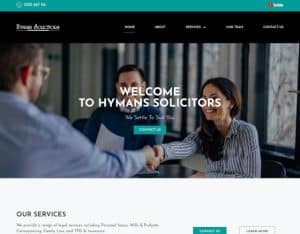
Law is a trust-based profession. Clients want to know who they’ll be working with and why they should trust them.
What to include:
-
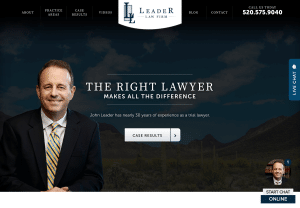
Professional headshots
-
Qualifications and accreditations
-
Areas of expertise
-
Years of experience
-
Notable achievements
-
A friendly, human introduction
Why it matters:
Clients want transparency and reassurance. Seeing the people behind the firm helps build a personal connection before they get in touch.
3. Pricing or Fee Information
Many clients feel anxious about legal costs. If your website offers even a basic outline, it can reduce uncertainty and increase trust.
What to include:
-
Fixed-fee options
-
Price ranges
-
Hourly rates (if appropriate)
-
What’s included in the service
-
Funding or payment plan options
Why it matters:
Clear pricing shows professionalism and honesty. Even a simple “Guide to Legal Fees” page is better than none.
4. Testimonials and Client Reviews
Social proof plays a huge role in reassuring potential clients that they’re making the right decision.
What to include:
-
Written testimonials from verified clients
-
Google reviews (embedded or linked)
-
Case studies (anonymised if necessary)
-
Before/after scenarios
-
Success stories
Why it matters:
People trust real experiences. Positive reviews help reduce perceived risk and show that you deliver results.
5. Clear Contact Options
It should never be difficult to get in touch with your firm.
What to include:
-
Phone numbers (visible on every page)
-
A simple enquiry form
-
Email addresses
-
Office addresses
-
Google Maps integration
-
Opening hours
-
Emergency contact information (if relevant)
Why it matters:
If contacting you feels complicated, clients will go elsewhere.
6. A Transparent “About Us” Page
Clients want to know what makes your firm different.
What to include:
-
Your firm’s history
-
Mission and values
-
Areas of specialism
-
Awards or accreditations
-
Community involvement or charity work
-
The firm’s ethos and approach
Why it matters:
A strong About page humanises your firm and builds trust.
7. Helpful Resources and Guides
Clients appreciate solicitors who take the time to educate them. Providing useful content positions you as a helpful expert.
What to include:
-
Blog articles
-
FAQs
-
“How it works” guides
-
Checklists (e.g., documents needed for a property purchase)
-
Videos explaining processes
-
Legal updates
Why it matters:
Useful content builds authority and encourages organic traffic through SEO.
8. Accessibility and Ease of Use
Your website must be easy to navigate and inclusive.
What to include:
-
Clear menu structure
-
Mobile-friendly design
-
Fast loading times
-
Readable fonts and colour contrast
-
Accessibility tools (text size, screen reader support)
Why it matters:
Clients of all ages and abilities should be able to use your site comfortably.
9. Compliance Information
This includes legal requirements and industry standards.
What to include:
-
SRA number
-
Complaints procedure
-
Privacy policy
-
Terms of business
-
Cookie policy
-
Professional indemnity insurance details
Why it matters:
Compliance transparency reassures clients and protects your firm.
Step-by-Step Guide: How to Build a Client-Friendly Solicitor Website
Here’s a simple structure you can follow to ensure your site includes everything potential clients expect.
Step 1: Start with a User-Focused Homepage
Your homepage should quickly answer:
-
Who you are
-
What you do
-
Who you help
-
Why someone should choose you
Include strong headings, a clear value proposition, and immediate contact options.
Step 2: Create Dedicated Pages for Each Practice Area
Each service page should include:
-
A plain-English explanation
-
Common questions and answers
-
What the process looks like
-
What clients should prepare
-
Pricing (if possible)
-
A contact call-to-action
This helps with clarity and improves your search rankings.
Step 3: Build Trust with Strong Solicitor Profiles
Add photos, bios, and areas of expertise. Clients want proof that you’re qualified and approachable.
Step 4: Add Testimonials and Case Studies
Sprinkle reviews throughout service pages—not just on a dedicated “Reviews” page. Place them near call-to-action buttons for maximum impact.
Step 5: Make Contact Easy and Obvious
Add contact options:
-
At the top of every page
-
At the bottom of every page
-
Within each service page
Clients shouldn’t have to hunt for a way to reach you.
Step 6: Publish Helpful, High-Value Content
Write blogs that answer real client questions—those you hear on the phone every day.
Examples:
-
“How long does conveyancing take?”
-
“What happens during a divorce?”
-
“Do I need a solicitor for a settlement agreement?”
Consistent, informative content builds your authority over time.
Step 7: Ensure Compliance and Transparency
A compliant website shows professionalism and gives clients peace of mind. Make sure all your regulatory information is easy to find.
Step 8: Test the Website as If You Were a Client
Ask yourself:
-
Is everything easy to find?
-
Does the site load quickly?
-
Does it explain things clearly?
-
Is the language approachable?
-
Can I contact the firm within 10 seconds?
A user-focused approach makes a huge difference.
FAQs: What Clients Want to See on a Solicitor’s Website
1. Do clients really care about solicitor bios?
Yes—more than most firms realise. Clients want to know who they’re entrusting with important and often emotional matters.
2. Should a solicitor’s website list prices?
Where possible, yes. Even approximate pricing helps reduce anxiety and encourages contact.
3. How important are reviews?
Extremely. Many clients treat reviews as seriously as a personal recommendation.
4. Do solicitor websites need a blog?
While not mandatory, a blog helps with SEO, builds authority, and answers common client questions.
5. What is the most important page on a solicitor’s website?
Your service pages. These are the pages that convince someone you can help with their specific legal issue.
6. Should I include a live chat feature?
If your firm can manage it. Live chat can increase enquiries, but only if responses are timely and accurate.
7. How often should a solicitor website be updated?
At least every few months. Regular updates ensure accuracy and boost SEO.
Final Thoughts
Knowing what information clients expect to see on a solicitor’s website is essential for building trust, improving credibility, and attracting more enquiries. By clearly presenting your services, demonstrating expertise, offering transparency, and making contact easy, you create a user-friendly experience that sets your firm apart.
A strong website doesn’t just look good—it helps potential clients feel confident that they’re choosing the right solicitor. When your site answers their questions and reassures them at every click, you’re far more likely to turn visitors into loyal clients.
If you’d like, I can also create:
✅ A full site structure
✅ SEO-friendly service page templates
✅ A shorter, downloadable “Client Expectations Checklist”