

The Perfect Homepage Formula for Modern Brands
Your homepage is often the first interaction people have with your brand. In just a few seconds, visitors decide whether to stay, explore, or leave. That’s why homepage design is no longer just about aesthetics — it’s about strategy, psychology, user experience, and conversion optimization.
Modern consumers expect websites to be fast, intuitive, visually engaging, and instantly clear about what a brand offers. If your homepage feels cluttered, confusing, or outdated, you could be losing valuable leads before they even reach your products or services.
So, what makes a homepage truly effective in today’s digital landscape?
This guide breaks down the perfect homepage formula for modern brands, including the essential sections, best practices, and optimization techniques that help businesses turn visitors into loyal customers.
Why Homepage Composition Matters
A homepage acts as the digital front door of your business. It introduces your brand identity, communicates your value proposition, and guides users toward action.
An effective homepage should:
- Build trust immediately
- Communicate your offer clearly
- Improve user experience
- Increase conversions
- Support SEO performance
- Encourage deeper site exploration
Modern homepage composition combines branding, storytelling, visual hierarchy, and strategic calls-to-action into one seamless experience.
The Perfect Homepage Formula
Below is the ideal structure many successful modern brands use to create high-performing homepages.
Step 1: Create a Clear Hero Section
The hero section is the first thing visitors see when they land on your website. It should immediately answer three questions:
- What do you do?
- Who is it for?
- Why should visitors care?
What to Include
- A compelling headline
- A short supporting subheadline
- A strong call-to-action (CTA)
- A relevant image or video
- Minimal distractions
Example
Headline:
“Build Smarter Websites That Convert Visitors Into Customers”
Subheadline:
“We help modern brands create fast, beautiful, conversion-focused websites designed for growth.”
CTA:
“Get Started”
Best Practices
- Keep headlines concise
- Focus on customer benefits instead of features
- Use high-quality visuals
- Make CTA buttons prominent
Your hero section should communicate value within seconds.
Step 2: Establish Trust Immediately
Visitors need reassurance before they commit to exploring your website further.
Trust-building elements reduce skepticism and increase credibility.
Effective Trust Signals
- Client logos
- Testimonials
- Star ratings
- Awards or certifications
- Media mentions
- Statistics and achievements
Example
- “Trusted by 5,000+ businesses worldwide”
- “Featured in Forbes and TechCrunch”
- “Rated 4.9/5 by over 2,000 customers”
Trust signals work best when placed near the hero section because they reinforce credibility early in the user journey.
Step 3: Clearly Explain Your Services or Products
Many websites fail because they assume users already understand the business.
Modern homepage design prioritizes clarity over cleverness.
How to Structure This Section
Break your offerings into simple categories using:
- Icons
- Cards
- Short descriptions
- Visual hierarchy
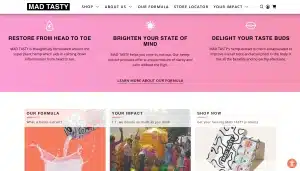
Example Layout
Web Design
Custom websites optimized for speed and conversions.
SEO Strategy
Data-driven SEO campaigns that improve visibility.
Branding
Visual identities that help businesses stand out online.
Tips
- Avoid industry jargon
- Focus on outcomes
- Use scannable formatting
- Keep descriptions brief
The easier your content is to understand, the more likely visitors are to stay engaged.
Step 4: Showcase Benefits Instead of Features
Features explain what your product does. Benefits explain why it matters.
Modern brands win by emphasizing transformation and value.
Weak Copy Example
“Our software includes automated analytics dashboards.”
Strong Copy Example
“Track your business performance in real time without wasting hours building reports.”
The second version focuses on solving a problem.
Common Benefit Categories
- Saves time
- Increases revenue
- Reduces stress
- Improves productivity
- Simplifies workflows
- Enhances customer experience
Your homepage should consistently answer the question:
“How does this improve the customer’s life?”
Step 5: Use Strategic Visual Hierarchy
Visual hierarchy guides users through your homepage naturally.
Without hierarchy, pages feel overwhelming and difficult to navigate.
Key Elements of Visual Hierarchy
Typography
Use clear heading sizes to create structure.
White Space
Spacing improves readability and reduces clutter.
Color Contrast
Highlight important buttons and sections.
Content Prioritization
Place critical information higher on the page.
Homepage Flow Example
- Hero section
- Trust signals
- Services/products
- Benefits
- Testimonials
- Case studies
- CTA section
- Footer
A well-structured layout keeps visitors moving smoothly through the site.
Step 6: Add Social Proof and Testimonials
People trust other customers more than marketing copy.
Testimonials provide validation and reduce buying hesitation.
Strong Testimonial Components
- Real customer names
- Professional photos
- Specific outcomes
- Authentic language
Example
“After redesigning our homepage, conversions increased by 42% within three months.”
Other Forms of Social Proof
- User-generated content
- Customer success stories
- Video reviews
- Case studies
- Review platform ratings
The more specific and believable the testimonial, the more effective it becomes.
Step 7: Include a Clear Call-to-Action
One of the biggest homepage mistakes is offering too many choices.
Modern brands simplify decision-making by focusing on one primary CTA.
Effective CTA Examples
- Start Free Trial
- Book a Consultation
- View Pricing
- Get Started
- Request a Demo
CTA Best Practices
- Use action-oriented language
- Make buttons visually distinct
- Repeat CTAs throughout the homepage
- Reduce friction whenever possible
Your CTA should feel like the natural next step.
Step 8: Optimize for Mobile Users
Mobile traffic now dominates most industries.
A homepage that looks amazing on desktop but performs poorly on mobile creates major usability problems.
Mobile Optimization Checklist
- Fast loading speed
- Responsive layouts
- Readable typography
- Thumb-friendly buttons
- Simplified navigation
- Optimized images
Why Mobile Matters
Google also uses mobile-first indexing, meaning mobile usability impacts SEO performance.
A mobile-friendly homepage improves:
- Rankings
- User engagement
- Bounce rates
- Conversion rates
Modern homepage design must prioritize mobile experiences from the beginning.
Step 9: Improve Homepage SEO Naturally
A beautiful homepage won’t help if nobody can find it.
SEO optimization helps search engines understand your content while improving discoverability.
Homepage SEO Essentials
Use Your Primary Keyword Naturally
Include “The Perfect Homepage Formula for Modern Brands” strategically in:
- Title
- Introduction
- Headings
- Meta description
- Image alt text
Optimize Page Speed
Slow websites hurt rankings and conversions.
Create Clear Heading Structures
Use H1, H2, and H3 tags properly.
Add Internal Links
Guide users toward important pages.
Optimize Images
Compress files and use descriptive filenames.
Avoid Keyword Stuffing
Modern SEO rewards readability and helpful content — not repetitive keyword placement.
Write for humans first.
Step 10: Keep Navigation Simple
Complex navigation creates confusion.
Modern websites use streamlined menus that help users quickly find what they need.
Navigation Best Practices
- Limit menu items
- Use familiar labels
- Include search functionality if needed
- Keep navigation consistent
- Use sticky headers strategically
Simple navigation improves user experience and keeps visitors engaged longer.
Common Homepage Mistakes to Avoid
Even visually attractive websites can fail if the structure is ineffective.
1. Unclear Messaging
Visitors shouldn’t have to guess what your business does.
2. Too Many CTAs
Too many choices create decision fatigue.
3. Slow Load Times
Speed directly impacts user satisfaction and SEO.
4. Weak Visual Hierarchy
Poor layout structure reduces readability.
5. Generic Stock Photos
Authentic visuals build stronger trust.
6. Overloading the Homepage
Too much information overwhelms users.
7. Ignoring Mobile Design
Mobile usability is now essential.
Avoiding these mistakes can dramatically improve homepage performance.
Modern Homepage Trends Brands Are Using
Homepage design continues evolving as user expectations change.
Interactive Elements
Subtle animations and hover effects improve engagement.
Minimalist Layouts
Clean, focused designs perform better than cluttered pages.
Personalized Experiences
Dynamic content tailored to users increases relevance.
AI-Powered Chat Features
Instant support improves conversions.
Dark Mode Options
Many users now prefer dark-themed interfaces.
Video Backgrounds
Short, optimized videos can increase visual impact when used strategically.
The key is balancing modern trends with usability.
FAQs
What is the most important part of a homepage?
The hero section is often the most important because it creates the first impression and communicates your core value proposition immediately.
How long should a homepage be?
Homepage length depends on your industry and audience. Service-based businesses may need longer pages with trust-building content, while simple product websites can remain shorter and more focused.
How often should I redesign my homepage?
Most brands should evaluate homepage performance every 1–2 years. Smaller updates can happen more frequently based on analytics and user behavior.
What makes a homepage SEO-friendly?
An SEO-friendly homepage includes clear headings, optimized keywords, fast loading speeds, mobile responsiveness, internal links, and high-quality content.
Should every homepage include testimonials?
In most cases, yes. Testimonials build credibility and help reassure potential customers before they take action.
What’s the ideal homepage CTA?
The ideal CTA depends on your business goals. However, it should be clear, action-oriented, and easy to find throughout the page.
Final Thoughts
The perfect homepage formula for modern brands isn’t about following rigid design rules — it’s about creating a seamless experience that guides users toward trust and action.
A successful homepage combines:
- Clear messaging
- Strong visual hierarchy
- Strategic calls-to-action
- Trust-building elements
- Mobile optimization
- SEO best practices
When all these components work together, your homepage becomes more than just a design asset — it becomes a powerful conversion tool.
As digital competition continues growing, brands that prioritize clarity, usability, and customer-focused experiences will stand out the most.
Whether you’re redesigning an existing website or building one from scratch, applying these homepage principles can help create a stronger online presence that drives real business results.


