How to Turn Your Website into a Sales Machine: A Step-by-Step Guide to Boost Conversions
Your website is more than just an online presence—it’s one of your most valuable business assets. When optimized correctly, it can work around the clock to attract visitors, build trust, generate leads, and convert prospects into loyal customers. Yet many businesses invest in beautiful websites that fail to deliver meaningful results because they overlook one critical factor: conversion.
If you’ve ever wondered how to turn your website into a sales machine, you’re in the right place. The good news is that you don’t need a complete redesign or a massive budget. Strategic improvements to your site’s design, content, performance, and user experience can dramatically increase your conversion rate.
In this guide, you’ll learn practical, proven strategies to transform your website into a high-performing sales tool that consistently drives business growth.
Why Your Website Should Sell for You
Your website is often the first interaction potential customers have with your brand. Within seconds, visitors decide whether they’ll stay or leave.
A sales-focused website should:
- Build credibility immediately
- Clearly communicate value
- Guide visitors toward taking action
- Remove obstacles that prevent conversions
- Continue generating leads even while you’re offline
Instead of simply displaying information, your website should actively persuade visitors to become customers.
Step 1: Know Exactly Who You’re Selling To
Before optimizing your website, understand your audience.
Ask yourself:
- Who is my ideal customer?
- What problems do they need solved?
- What motivates them to buy?
- What concerns might stop them?
When your messaging addresses customer pain points instead of simply describing your business, visitors are much more likely to convert.
Example:
Instead of saying:
“We offer digital marketing services.”
Say:
“Generate more qualified leads with data-driven digital marketing strategies designed to grow your revenue.”
The second statement focuses on outcomes rather than services.
Step 2: Create a Strong Value Proposition
Visitors should immediately understand:
- What you do
- Who you help
- Why you’re different
- Why they should choose you
Your homepage headline should answer these questions within seconds.
For example:
Helping Small Businesses Generate More Sales Through High-Converting Websites
Then reinforce it with a short supporting paragraph explaining the benefits.
Avoid vague statements like:
- We deliver excellence.
- Quality is our priority.
- We care about customers.
Instead, communicate measurable value.
Step 3: Design for Simplicity
One of the biggest mistakes businesses make is cluttering their websites.
A clean design improves user experience and encourages visitors to stay longer.
Focus on:
- Clear navigation
- Plenty of white space
- Readable typography
- Consistent colors
- Professional images
- Mobile responsiveness
Every page should have one primary objective.
Too many distractions reduce conversions.
Step 4: Speed Up Your Website
Website speed directly impacts sales.
Research consistently shows that slow-loading pages increase bounce rates and reduce conversions.
Ways to improve speed include:
- Compress images
- Enable browser caching
- Minify CSS and JavaScript
- Remove unnecessary plugins
- Use fast web hosting
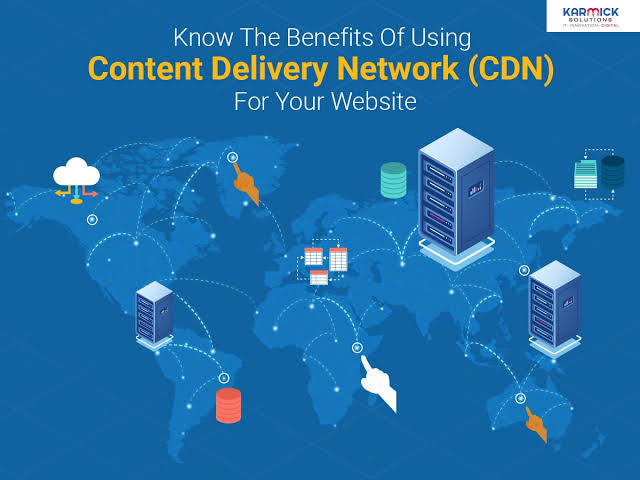
- Implement a content delivery network (CDN)
Even reducing load time by one second can significantly improve user engagement.
Step 5: Write Copy That Sells
Your website copy should focus less on features and more on benefits.
Instead of listing what you offer, explain how it improves your customer’s life or business.
Compare these examples:
Feature:
24/7 customer support.
Benefit:
Get expert help whenever you need it so your business never slows down.
Throughout your website, answer one question repeatedly:
“What’s in it for the customer?”
Step 6: Add Clear Calls to Action
Every page should encourage visitors to take the next step.
Examples include:
- Get a Free Quote
- Book Your Consultation
- Start Your Free Trial
- Download the Guide
- Contact Our Team
- Schedule a Demo
Your call-to-action (CTA) buttons should:
- Stand out visually
- Use action-oriented language
- Appear multiple times on longer pages
- Match the visitor’s stage in the buying journey
Don’t leave visitors wondering what to do next.
Step 7: Build Trust with Social Proof
People trust other customers more than businesses.
Include:
- Customer reviews
- Testimonials
- Case studies
- Before-and-after results
- Client logos
- Industry certifications
- Awards
- Success statistics
For example:
“Over 2,500 businesses have increased their online sales using our website optimization services.”
Real-world evidence reduces buying hesitation.
Step 8: Optimize for Mobile Users
Today, a large share of web traffic comes from smartphones and tablets.
A mobile-friendly website should:
- Load quickly
- Display properly on all screen sizes
- Use large readable fonts
- Have easy-to-click buttons
- Simplify navigation
- Reduce unnecessary pop-ups
A poor mobile experience often means losing potential customers before they even learn about your business.
Step 9: Improve Your SEO Strategy
Search engine optimization helps qualified visitors discover your website.
Instead of chasing every keyword, focus on creating valuable content around your audience’s questions.
Best practices include:
- Writing helpful blog posts
- Using descriptive headings
- Creating compelling meta descriptions
- Optimizing images
- Building internal links
- Earning quality backlinks
- Updating old content regularly
Good SEO attracts visitors who are already searching for your products or services.
Step 10: Capture Leads Before Visitors Leave
Not every visitor is ready to buy immediately.
Offer something valuable in exchange for contact information.
Examples include:
- Free ebooks
- Checklists
- Templates
- Webinars
- Free consultations
- Discount codes
- Email courses
Once someone joins your email list, you can continue building trust through valuable content.
Step 11: Use Analytics to Improve Performance
Successful websites are constantly improving.
Monitor metrics like:
- Bounce rate
- Conversion rate
- Average session duration
- Traffic sources
- Landing page performance
- Click-through rates
Use data to identify:
- Which pages convert well
- Where visitors leave
- Which CTAs perform best
- Which traffic sources generate customers
Small improvements over time often produce significant revenue growth.
Step 12: Test Everything
Never assume something works because it looks good.
Run A/B tests on:
- Headlines
- CTA buttons
- Colors
- Images
- Landing pages
- Forms
- Pricing pages
- Product descriptions
Even a small increase in conversion rate can dramatically increase annual revenue.
Optimization is an ongoing process—not a one-time project.
Common Website Mistakes That Hurt Sales
Avoid these common conversion killers:
- Slow page loading
- Confusing navigation
- Weak headlines
- Too many pop-ups
- Poor mobile experience
- Lack of trust signals
- Long forms
- Hidden contact information
- Low-quality images
- No clear call to action
Fixing these issues often delivers quick improvements.
Essential Features of a High-Converting Website
If your goal is consistent sales, your website should include:
- A compelling homepage
- Fast loading speeds
- Mobile responsiveness
- Clear navigation
- Strong value proposition
- High-quality content
- Customer testimonials
- Secure checkout (if selling online)
- Live chat or easy contact options
- Prominent calls to action
- Lead capture forms
- Helpful FAQs
Together, these elements create a seamless experience that encourages visitors to take action.
Frequently Asked Questions
How long does it take to turn a website into a sales machine?
Results depend on your starting point, traffic volume, and the improvements you make. Some businesses see higher conversions within weeks after optimizing speed, messaging, and calls to action, while long-term gains from SEO and content marketing may take several months.
Do I need to redesign my entire website?
Not necessarily. Many websites achieve better results through targeted improvements such as clearer messaging, faster performance, stronger CTAs, and improved user experience rather than a complete redesign.
What’s the most important factor for increasing website sales?
There’s no single factor, but a clear value proposition combined with excellent user experience, compelling content, trust signals, and effective calls to action has the greatest impact on conversions.
How can I increase website conversions without spending a lot of money?
Start by improving your website copy, simplifying navigation, optimizing page speed, showcasing customer testimonials, and testing different CTA buttons. These changes are often inexpensive yet highly effective.
How often should I update my website?
Review your website regularly and update content, offers, blog posts, and SEO elements every few months. Monitor analytics to identify areas that need improvement and make continuous adjustments based on user behavior.
Final Thoughts
Learning how to turn your website into a sales machine isn’t about using flashy designs or aggressive sales tactics. It’s about creating a website that understands your audience, communicates value clearly, builds trust, and makes it easy for visitors to take the next step.
Focus on continuous improvement rather than perfection. Optimize your messaging, streamline the user experience, enhance site speed, strengthen your SEO, and test changes regularly. Over time, these incremental improvements can significantly increase leads, conversions, and revenue.
A high-performing website doesn’t just represent your business—it actively supports its growth. By implementing the strategies in this guide, you’ll be well on your way to transforming your website into a dependable engine for long-term sales success.