

Are Fancy Websites Overrated? A Real Talk
Introduction
Scroll through the internet for five minutes and you’ll see it: flashy animations, cinematic videos, parallax scrolling, custom cursors, and transitions so smooth they feel like magic. These “fancy” websites are designed to impress—and they often do.
But here’s the real question: do they actually work better? Or are they just digital eye candy that slows things down, distracts users, and quietly hurts your results?
If you’re building or redesigning a website, this isn’t just a design debate—it’s a business decision. In this post, we’re going to have an honest, no-fluff conversation about whether fancy websites are overrated, when they do make sense, and how to strike the right balance between beauty and performance.
What Do We Mean by “Fancy Websites”?
Before we judge them, let’s define them.
A “fancy website” typically includes:
- Heavy animations and transitions
- Full-screen videos or dynamic backgrounds
- Complex layouts and scrolling effects
- Highly customized UI elements
- Experimental or artistic navigation
These elements can create a memorable experience—but they also come with trade-offs.
The Case For Fancy Websites
Let’s be fair: fancy websites didn’t become popular for no reason.
1. They Create Strong First Impressions
A visually stunning site can instantly communicate professionalism, creativity, and brand identity. For industries like design, fashion, or creative agencies, this matters.
2. They Help You Stand Out
In a sea of generic templates, a unique design can make your brand more memorable.
3. They Enhance Storytelling
Interactive elements can guide users through a narrative in a way that static pages simply can’t.
4. They Reflect Brand Personality
A bold, experimental website can reinforce a brand that values innovation and creativity.
The Case Against Fancy Websites
Now for the reality check.

1. They Often Hurt Performance
Heavy visuals and scripts can slow down your site. And speed matters—a lot. Users expect pages to load in seconds, not moments.
2. They Can Confuse Users
If visitors have to “figure out” how to navigate your site, you’ve already lost them. Clarity beats cleverness almost every time.
3. They May Lower Conversions
A beautiful design that distracts from your call-to-action can reduce sign-ups, sales, or inquiries.
4. They’re Expensive to Build and Maintain
Custom animations and interactions require time, expertise, and ongoing maintenance.
5. They Don’t Always Work on Mobile
What looks amazing on desktop can break—or become frustrating—on smaller screens.
So… Are Fancy Websites Overrated?
Sometimes, yes. But not always.
Fancy design becomes overrated when it:
- Prioritizes style over usability
- Slows down the site
- Confuses visitors
- Doesn’t align with business goals
On the flip side, it’s valuable when it:
- Enhances user experience (not complicates it)
- Supports your brand story
- Improves engagement without sacrificing performance
The real takeaway?
👉 Good design isn’t about how fancy your website looks—it’s about how well it works.
A Step-by-Step Guide to Finding the Right Balance
If you’re wondering how to design a site that looks great and performs well, follow this practical approach.
Step 1: Define Your Website’s Goal
Before choosing colors, fonts, or animations, ask:
- What do I want users to do?
- Buy a product?
- Book a call?
- Read content?
Every design decision should support that goal.
Step 2: Know Your Audience
A creative portfolio site can afford to be bold and experimental.
A financial services website? Not so much.
Understand:
- Your users’ expectations
- Their tech comfort level
- How quickly they want information
Design for them—not for trends.
Step 3: Start with Simplicity
Begin with a clean, functional layout:
- Clear navigation
- Readable typography
- Logical structure
Think of this as your foundation. Fancy elements should enhance this—not replace it.
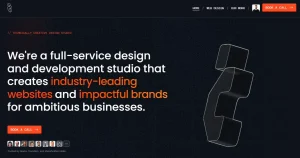
Step 4: Add Visual Interest Strategically
Instead of going all-in, choose a few high-impact elements:
- A subtle animation on hover
- A clean hero section with strong visuals
- Smooth scrolling (without overdoing it)
Restraint is what separates professional design from clutter.
Step 5: Optimize for Speed
No matter how beautiful your site is, speed comes first.
Focus on:
- Compressing images
- Minimizing scripts
- Using efficient code
A fast, simple site will almost always outperform a slow, flashy one.
Step 6: Prioritize Mobile Experience
Most users will visit your site on their phone.
Test:
- Load speed on mobile
- Navigation usability
- Readability
If your fancy features don’t translate well to mobile, rethink them.
Step 7: Test and Iterate
Don’t rely on assumptions—use real data.
Track:
- Bounce rates
- Time on site
- Conversion rates
If a design element looks great but hurts performance, it’s not worth keeping.
When Fancy Design Does Make Sense
To be clear, this isn’t an anti-design rant. Fancy websites absolutely have their place.
They work well for:
- Creative portfolios
- Branding-focused businesses
- High-end or luxury products
- Interactive storytelling experiences
In these cases, design is part of the product.
When Simplicity Wins
On the other hand, simple websites often outperform fancy ones in:
- E-commerce (clear path to purchase)
- Service-based businesses (easy contact and booking)
- Blogs and content sites (focus on readability)
- SaaS platforms (clarity and usability matter most)
Here, users care more about getting things done quickly than being visually impressed.
Key Takeaways
- Fancy websites aren’t inherently bad—but they’re not automatically better
- Usability, speed, and clarity matter more than visual effects
- The best websites balance aesthetics with function
- Design should always serve your goals—not distract from them
FAQs
1. Do fancy websites rank worse on search engines?
Not necessarily—but they can if they slow down your site or create poor user experiences. Search engines prioritize speed, mobile usability, and engagement. A heavy, slow website may struggle compared to a faster, simpler one.
2. Are animations bad for websites?
Animations aren’t bad—they’re just often overused. Subtle, purposeful animations can improve user experience. Excessive or distracting ones can do the opposite.
3. What matters more: design or functionality?
Functionality wins every time. A beautiful site that doesn’t work well will fail. The best websites combine both—but functionality should always come first.
4. How do I know if my website is too “fancy”?
Ask yourself:
- Does it load quickly?
- Is it easy to navigate?
- Can users complete actions easily?
If the answer to any of these is “no,” your design may be too complex.
5. Can a simple website still look professional?
Absolutely. In fact, many of the most successful websites are simple, clean, and focused. Professional design is about clarity, consistency, and usability—not complexity.
6. Should small businesses invest in fancy design?
In most cases, small businesses benefit more from:
- Fast load times
- Clear messaging
- Strong calls-to-action
You can always add more advanced design elements later as your business grows.
Final Thoughts
“Are fancy websites overrated?” The honest answer is: they can be—if they’re used for the wrong reasons.
It’s easy to get caught up in trends and try to impress visitors with visuals. But most users aren’t looking for a show—they’re looking for solutions.
A website that loads fast, communicates clearly, and helps users take action will almost always outperform one that simply looks impressive.
So if you’re designing or redesigning your site, keep this in mind:
👉 Don’t aim for fancy. Aim for effective.
And if you can make it beautiful along the way? Even better.


