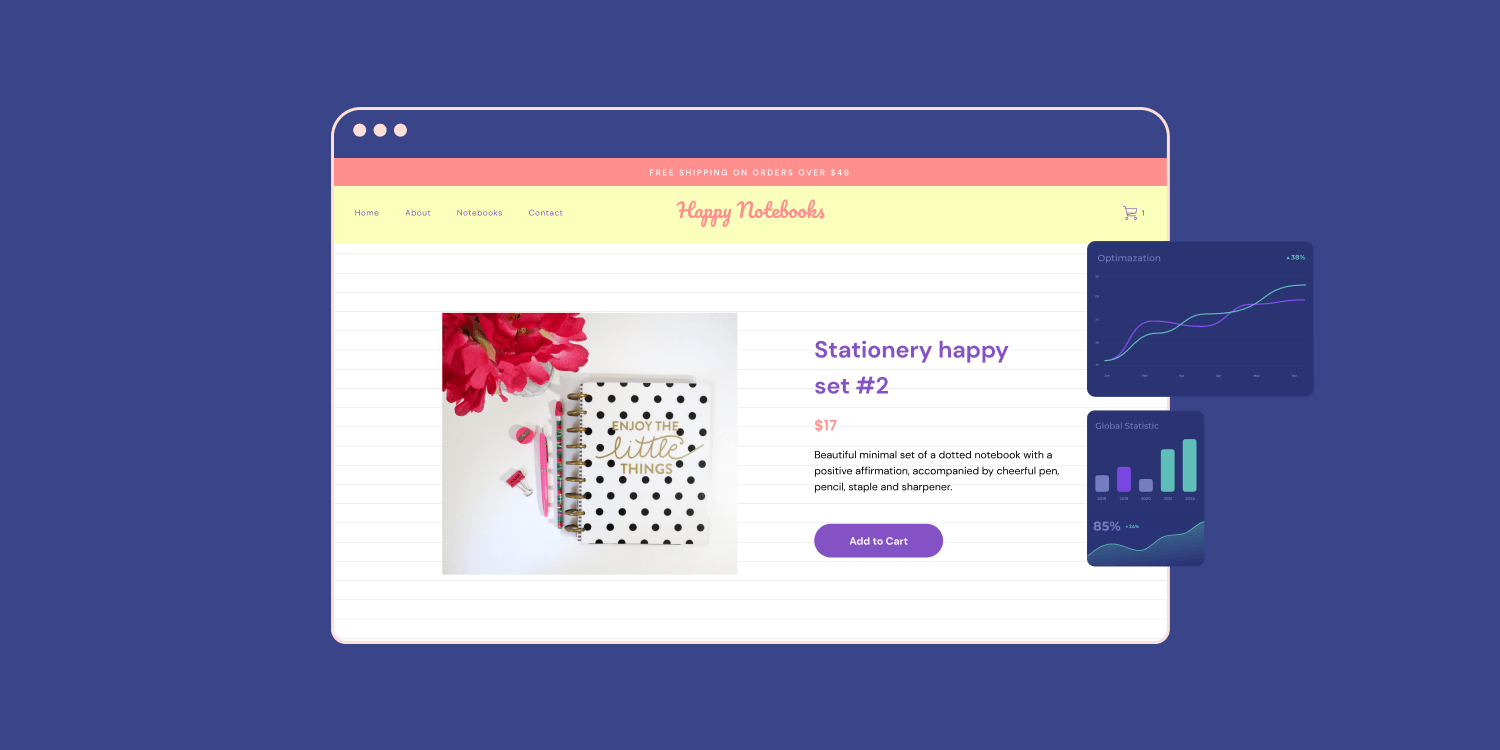
Best Product Page Design Practices: A Complete Guide to Increasing Ecommerce Conversions
Your product page is where browsing turns into buying. No matter how much traffic your online store attracts, a poorly designed product page can lead to abandoned carts and missed sales. On the other hand, a well-optimized product page builds trust, answers customer questions, and makes purchasing feel effortless.
The best product page design practices combine user experience, persuasive copywriting, visual storytelling, and technical optimization. Every element—from your product images to your call-to-action (CTA)—plays a role in helping shoppers make confident purchasing decisions.
In this guide, you’ll learn proven strategies to design high-converting ecommerce product pages, along with actionable steps you can implement immediately to improve user experience, boost conversions, and strengthen your search engine rankings.
Why Product Page Design Matters
A product page isn’t just a place to display an item. It’s your digital salesperson.
Visitors often arrive with questions:
- Is this product right for me?
- Can I trust this brand?
- Is it worth the price?
- What happens if I don’t like it?
An effective product page answers these questions before shoppers even ask them.
Well-designed product pages can help:
- Increase conversion rates
- Reduce cart abandonment
- Improve customer trust
- Lower return rates
- Increase average order value
- Improve organic SEO performance
When customers quickly find the information they need, they’re far more likely to complete their purchase.
Step-by-Step Guide to the Best Product Page Design Practices
Step 1: Write a Clear, Keyword-Optimized Product Title
Your product title should immediately tell visitors exactly what they’re looking at.

A strong product title includes:
- Product name
- Important descriptors
- Size or model if necessary
- Primary keyword naturally
For example:
Women’s Waterproof Hiking Boots – Lightweight Outdoor Trail Shoes
Avoid vague names that don’t communicate value.
Step 2: Use High-Quality Product Images
Images are often the deciding factor in online purchases.
Include:
- Multiple viewing angles
- Zoom functionality
- Lifestyle photos
- Close-up detail shots
- Images showing scale
- Packaging photos
Whenever possible, include videos demonstrating the product in use.
The more shoppers can visualize owning the product, the easier the purchase decision becomes.
Step 3: Create Compelling Product Descriptions
Instead of listing features, explain benefits.
For example:
Feature:
- Stainless steel bottle
Benefit:
- Keeps drinks cold for up to 24 hours while resisting dents and everyday wear.
Use short paragraphs and bullet points to improve readability.
A strong description should answer:
- What does it do?
- Who is it for?
- Why is it better?
- What problem does it solve?
Step 4: Highlight Key Benefits Above the Fold
Visitors shouldn’t need to scroll to understand your product’s value.
Place these near the top:
- Free shipping
- Easy returns
- Warranty
- Fast delivery
- Money-back guarantee
- Limited-time offers
This instantly reduces purchase hesitation.
Step 5: Design an Attention-Grabbing Call-to-Action
Your “Add to Cart” button should stand out.
Best practices include:
- High contrast color
- Large clickable size
- Clear wording
- Mobile-friendly spacing
- Visible without excessive scrolling
Avoid clutter around your primary CTA.
The goal is making the next step obvious.
Step 6: Display Social Proof
Customers trust other customers.
Include:
- Star ratings
- Written reviews
- Customer photos
- Verified purchase badges
- User-generated content
Reviews also naturally add fresh content to your product pages, which can support SEO.
Step 7: Build Trust with Transparency
Trust removes friction.
Display:
- Secure checkout badges
- Shipping information
- Return policy
- Warranty details
- Customer support options
- Payment methods
If customers can’t easily find these details, they may leave your site.
Step 8: Optimize for Mobile Devices
Most ecommerce traffic now comes from smartphones.
Your mobile product page should feature:
- Fast loading
- Large images
- Easy navigation
- Thumb-friendly buttons
- Minimal pop-ups
- Readable text
Test your pages across multiple screen sizes to ensure a consistent experience.
Step 9: Improve Page Speed
Speed directly affects conversions.
Ways to improve loading times include:
- Compress images
- Use modern image formats
- Minimize unnecessary scripts
- Enable browser caching
- Reduce redirects
- Use a content delivery network (CDN)
Even a small improvement in page speed can reduce bounce rates and increase sales.
Step 10: Make Product Information Easy to Scan
Online shoppers rarely read every word.
Break information into sections such as:
- Features
- Specifications
- Materials
- Size guide
- Shipping
- FAQs
- Care instructions
Use headings, icons, and bullet points to make scanning effortless.
Step 11: Use Scarcity and Urgency Carefully
Ethical urgency can encourage quicker purchasing decisions.
Examples include:
- Only 5 left in stock
- Sale ends tonight
- Limited edition
- Ships today
Only display genuine scarcity. False urgency can damage customer trust.
Step 12: Recommend Related Products
Cross-selling and upselling increase average order value.
Suggestions may include:
- Frequently bought together
- Customers also purchased
- Similar products
- Accessories
- Bundle offers
Keep recommendations relevant rather than overwhelming shoppers with too many choices.
Step 13: Optimize Product Pages for SEO
Even the most attractive page won’t help if shoppers can’t find it.
SEO best practices include:
- Natural keyword placement
- Descriptive page titles
- Optimized meta descriptions
- Structured headings
- Internal links
- Descriptive image alt text
- Clean URLs
- Schema markup for products and reviews
Focus on creating useful, original content instead of repeating the same keyword excessively.
Step 14: Include Clear Pricing Information
Unexpected costs are one of the biggest reasons shoppers abandon their carts.
Display:
- Product price
- Discounts
- Taxes (where applicable)
- Shipping costs
- Financing options
- Savings compared to original price
Transparency builds confidence.
Step 15: Continuously Test and Improve
The highest-converting product pages are rarely built in one attempt.
Test elements such as:
- CTA colors
- Product images
- Headlines
- Layout
- Review placement
- Shipping messages
- Product descriptions
Use analytics and A/B testing to identify what resonates most with your audience.
Common Product Page Mistakes to Avoid
Even attractive ecommerce websites can lose conversions because of avoidable mistakes.
Watch out for:
- Low-quality images
- Thin product descriptions
- Hidden shipping costs
- Weak calls-to-action
- Slow loading pages
- No customer reviews
- Poor mobile experience
- Too much clutter
- Confusing navigation
- Missing trust signals
Fixing these issues often delivers quick improvements in conversion rates.
Product Page SEO Checklist
Before publishing a product page, confirm that you have:
- A unique product title
- A compelling meta title and description
- Optimized product images
- Descriptive alt text
- Clear headings
- Natural keyword usage
- Internal links
- Customer reviews
- Mobile-friendly layout
- Fast loading speed
- Structured data
- Strong call-to-action
This checklist helps ensure your pages are optimized for both users and search engines.
Frequently Asked Questions
What makes a good ecommerce product page?
A good product page combines high-quality images, persuasive product descriptions, customer reviews, trust signals, fast loading speed, mobile optimization, and a clear call-to-action. It should answer common customer questions while making the buying process simple.
How important are product images?
Product images are among the most influential factors in online purchasing decisions. Multiple high-resolution images, lifestyle photos, and videos help customers understand the product and build confidence before buying.
How do product pages improve SEO?
Optimized product pages can rank for relevant search terms by using descriptive titles, helpful content, image optimization, structured data, and internal linking. They also benefit from user-generated content such as customer reviews.
How long should a product description be?
There is no fixed length. The description should include enough detail to answer customer questions, highlight benefits, and provide specifications while remaining easy to scan.
Should every product page have customer reviews?
Yes. Customer reviews provide valuable social proof, improve trust, and often contribute fresh content that can support search visibility. Encouraging authentic reviews can also help shoppers make informed purchasing decisions.
Final Thoughts
Following the best product page design practices is about more than creating visually appealing pages. It’s about reducing friction, building trust, and guiding customers toward confident purchasing decisions.
Focus on delivering an outstanding user experience with clear product information, compelling visuals, transparent pricing, persuasive calls-to-action, and thoughtful SEO. Continuously test and refine your pages based on customer behavior and performance data.
Small improvements—such as faster loading times, stronger product descriptions, or more visible trust signals—can add up to meaningful gains in conversion rates over time. By putting your customers’ needs first and optimizing each element with intention, you’ll create product pages that not only rank well in search engines but also turn more visitors into loyal customers.