How Landing Page Design Is Evolving in 2026
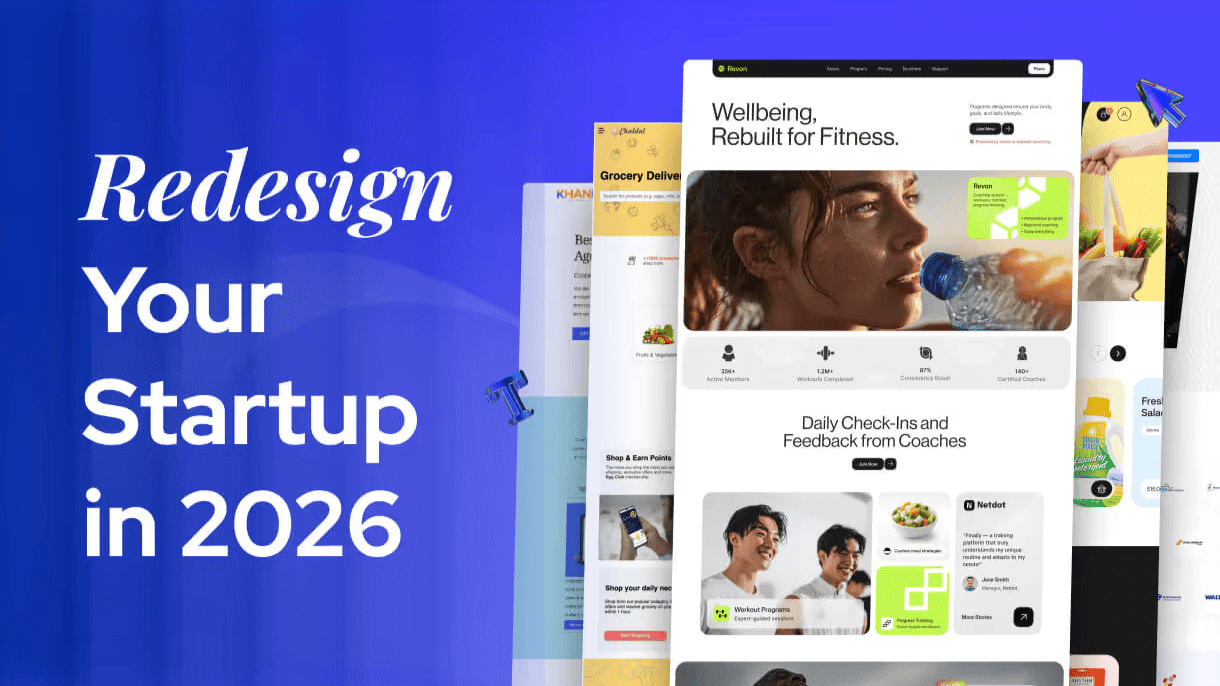
Landing pages have always had one primary goal: conversion. But in 2026, the way we design them has changed dramatically. Static layouts, generic headlines, and one-size-fits-all templates are quickly becoming relics of the past. Today’s highest-performing landing pages are intelligent, personalized, interactive, and deeply user-focused.
If you’re wondering how landing page design is evolving in 2026, you’re not alone. Marketers, designers, and business owners are all adapting to new technologies, shifting user behaviors, and rising expectations around speed, accessibility, and personalization.
In this guide, we’ll explore what’s changed, why it matters, and how you can design landing pages that convert in today’s digital landscape.
Why Landing Page Design Looks Different in 2026
Before jumping into tactics, it’s important to understand what’s driving change.
Several major forces are reshaping landing page design:
-
AI-powered personalization
-
Privacy-first user tracking
-
Voice and conversational interfaces
-
Advanced no-code design tools
-
Higher accessibility standards
-
Mobile-dominant browsing behavior
Platforms like Webflow and Wix have made sophisticated design more accessible than ever. At the same time, AI-powered platforms such as HubSpot are enabling marketers to dynamically tailor landing pages to individual users.
The result? Landing pages in 2026 are smarter, faster, and more user-centric than ever before.
Step-by-Step Guide: Designing High-Converting Landing Pages in 2026
Let’s break down how to build a modern landing page that aligns with current trends and drives results.
Step 1: Start With Intent-Driven Personalization
In 2026, personalization isn’t optional — it’s expected.
Instead of creating one generic page for all traffic sources, modern landing pages dynamically adapt based on:
-
Referral source
-
Geographic location
-
Device type
-
User behavior
-
Purchase history
For example:
-
A returning visitor might see a different headline than a first-time user.
-
Someone coming from an email campaign may see messaging aligned with that campaign.
-
A mobile user may see shorter copy and larger CTAs.
AI tools now make this easy without complicated coding. The key is to define user segments clearly before designing the page.
Pro Tip: Personalize headlines first — they have the biggest impact on engagement.
Step 2: Prioritize Speed and Performance

User patience is shorter than ever.
In 2026, page load speed directly impacts:
-
Conversion rates
-
SEO rankings
-
Ad quality scores
-
User trust
Modern landing pages use:
-
Lightweight frameworks
-
Optimized image formats (like WebP)
-
Minimal third-party scripts
-
Server-side rendering where possible
Search engines reward performance, and users expect instant results. If your page takes more than two seconds to load, you’re likely losing conversions.
Speed is no longer just a technical metric — it’s a design priority.
Step 3: Design for Micro-Interactions and Motion
Static pages feel outdated in 2026.
Today’s landing pages use subtle motion to:
-
Guide attention
-
Reinforce actions
-
Provide feedback
-
Improve usability
Examples include:
-
Buttons that animate on hover
-
Progress indicators in forms
-
Scroll-triggered content reveals
-
Micro-animations confirming submissions
The key word here is subtle. Overuse of motion can distract users. Strategic animation enhances clarity rather than overwhelming it.
Motion is no longer decorative — it’s functional.
Step 4: Shift From Long Forms to Conversational Experiences
Traditional multi-field forms are declining. Instead, 2026 landing pages often use:
-
Conversational forms
-
Chat-style interfaces
-
Step-by-step form flows
-
AI chat assistants
Rather than showing eight fields at once, modern landing pages ask one question at a time. This reduces friction and increases completion rates.
Breaking forms into smaller steps:
-
Lowers cognitive load
-
Feels interactive
-
Improves perceived simplicity
Think of it as guiding users through a conversation instead of presenting them with paperwork.

Step 5: Embrace Scroll-Based Storytelling
While short landing pages still work for simple offers, many brands now use scroll-based storytelling to create immersive experiences.
This approach includes:
-
Clear narrative flow
-
Visual transitions
-
Layered content reveals
-
Section-based storytelling
Each scroll answers a new question:
-
What is this?
-
Why should I care?
-
How does it work?
-
Can I trust it?
-
What do I do next?
This structured flow mirrors natural decision-making.
Done correctly, scroll storytelling keeps users engaged without feeling overwhelming.
Step 6: Strengthen Visual Hierarchy and Typography
In 2026, clean design wins — but with personality.
Modern landing pages focus on:
-
Bold typography
-
High contrast
-
Generous white space
-
Clear CTA buttons
-
Limited color palettes
Design trends have shifted toward clarity over decoration. Instead of cluttered layouts, designers are embracing:
-
Oversized headlines
-
Minimal navigation
-
Clear section separation
-
Focused messaging
Typography has become a central design element, often replacing excessive imagery.
If users can’t instantly understand your offer, your design isn’t doing its job.
Step 7: Build Accessibility Into the Foundation
Accessibility is no longer an afterthought.
In 2026, accessible landing pages are:
-
Easier to read
-
Easier to navigate
-
Better for SEO
-
More inclusive
Key accessibility practices include:
-
Proper color contrast
-
Keyboard navigation support
-
Clear alt text for images
-
Readable font sizes
-
Logical heading structure
Accessible design improves usability for everyone — not just users with disabilities.
It’s also becoming a competitive advantage and, in many regions, a legal requirement.
Step 8: Integrate Social Proof More Authentically
Testimonials still matter — but they look different in 2026.
Instead of static quote blocks, modern landing pages include:
-
Short video testimonials
-
Interactive review sliders
-
Real-time customer activity notifications
-
User-generated content
Authenticity is key. Users are increasingly skeptical of generic five-star reviews. Specific, detailed, and human-centered testimonials perform better.
Transparency builds trust — and trust drives conversions.
Step 9: Optimize for Multi-Device Behavior
Mobile-first design isn’t new — but mobile-dominant behavior is.
In 2026:
-
Most paid traffic is mobile
-
Forms must be thumb-friendly
-
CTAs need larger tap areas
-
Content must be scannable
However, don’t ignore desktop users. B2B landing pages still see strong desktop engagement.
The goal isn’t just mobile-first.
It’s device-intelligent design.
Step 10: Use Data to Continuously Refine
Landing page design is no longer “launch and leave.”
Modern optimization includes:
-
A/B testing headlines
-
Testing CTA placement
-
Heatmap analysis
-
Scroll-depth tracking
-
AI-driven conversion insights
High-performing brands test constantly.
Small improvements — like changing button text or reordering sections — can dramatically improve performance.
Design in 2026 is iterative, not static.
Key Trends Defining How Landing Page Design Is Evolving in 2026
To summarize, here are the biggest shifts:
-
AI-driven personalization
-
Faster load speeds
-
Conversational interfaces
-
Micro-interactions and motion
-
Scroll storytelling
-
Accessibility-first layouts
-
Authentic social proof
-
Continuous data-driven optimization
Landing pages are becoming smarter, more human, and more adaptive.
FAQs About Landing Page Design in 2026
1. What is the biggest change in landing page design in 2026?
The biggest shift is personalization. Landing pages are no longer static. They dynamically adjust messaging, visuals, and CTAs based on user data and behavior.
2. Are long landing pages still effective?
Yes — if structured properly. Scroll-based storytelling works well when each section answers a specific user question. Length isn’t the issue; clarity and engagement are.
3. How important is page speed for conversions?
Extremely important. Slow pages increase bounce rates and lower search rankings. In 2026, speed is directly tied to both SEO performance and user trust.
4. Should I use AI on my landing page?
AI can improve personalization, chat interactions, and data analysis. However, it should enhance clarity — not overwhelm users. Use it strategically.
5. Is minimalism still trending?
Yes, but modern minimalism includes bold typography and strong visual hierarchy. It’s not about empty space — it’s about intentional design.
6. What role does accessibility play in SEO?
Accessible pages tend to have better structure, improved readability, and clearer navigation — all of which benefit search engine indexing and user experience.
Final Thoughts
Understanding how landing page design is evolving in 2026 is about recognizing a larger shift in digital expectations.
Users now expect:
-
Personalized experiences
-
Fast-loading pages
-
Interactive engagement
-
Clear messaging
-
Seamless mobile usability
The most successful landing pages don’t just look good — they think smart. They adapt, respond, and guide users naturally toward action.
If you focus on clarity, personalization, accessibility, and continuous testing, your landing pages won’t just keep up with 2026 trends — they’ll outperform your competition.
And in a world where attention is limited, that advantage makes all the difference.